The Hanover Conservancy is celebrating the latest addition to its portfolio of protected lands, Black Bear Glen on Moose Mountain. This major property is the generous gift of Clyde Watson
and Denis Devlin.
Located on the mountain’s western slope close to the Appalachian Trail, Black Bear Glen abuts the Shumway Forest, also protected by the Conservancy. Black Bear Glen joins a network of
over 3,200 connected acres of conserved land on the ridge that dominates the town of Hanover.
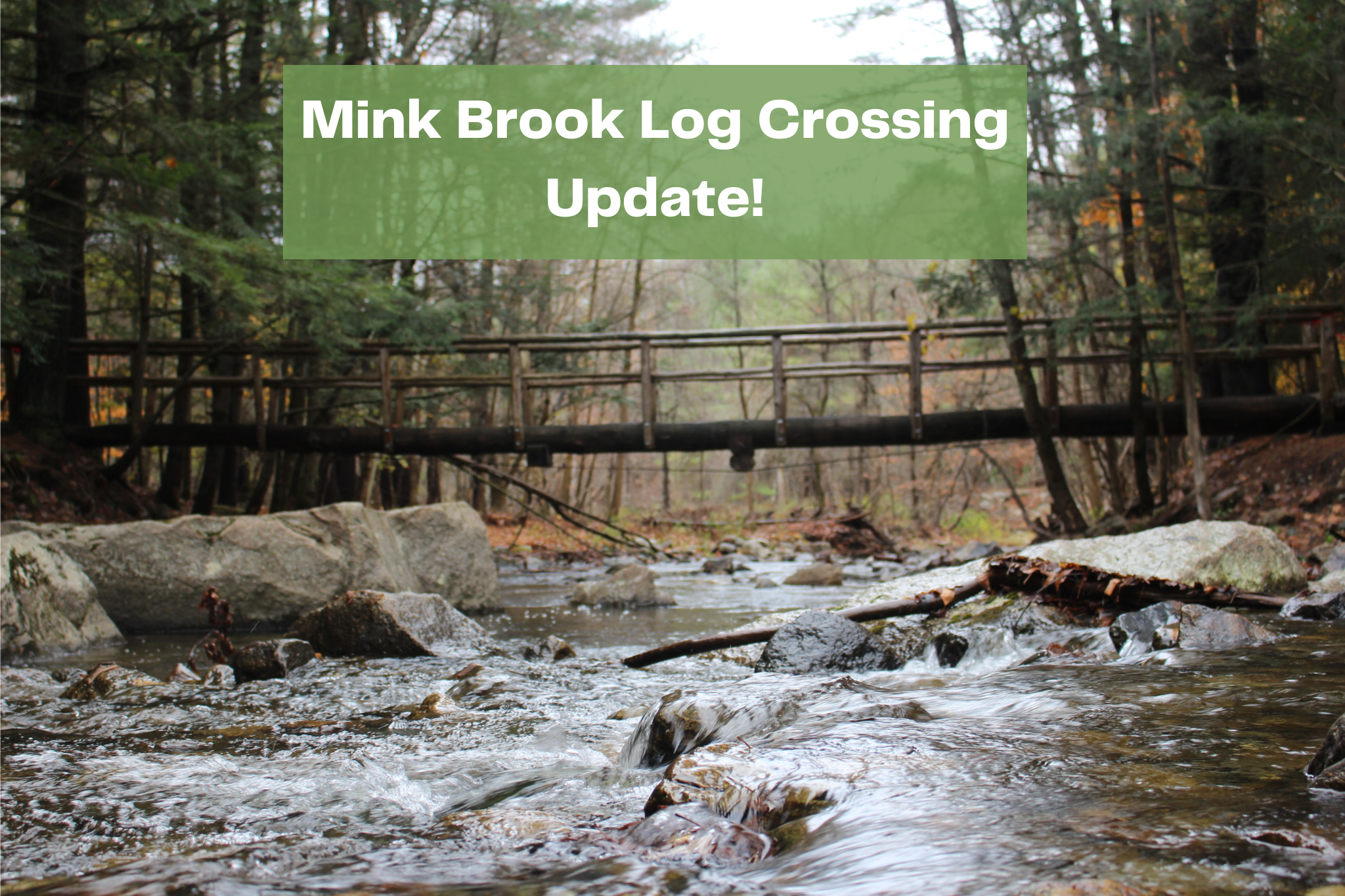
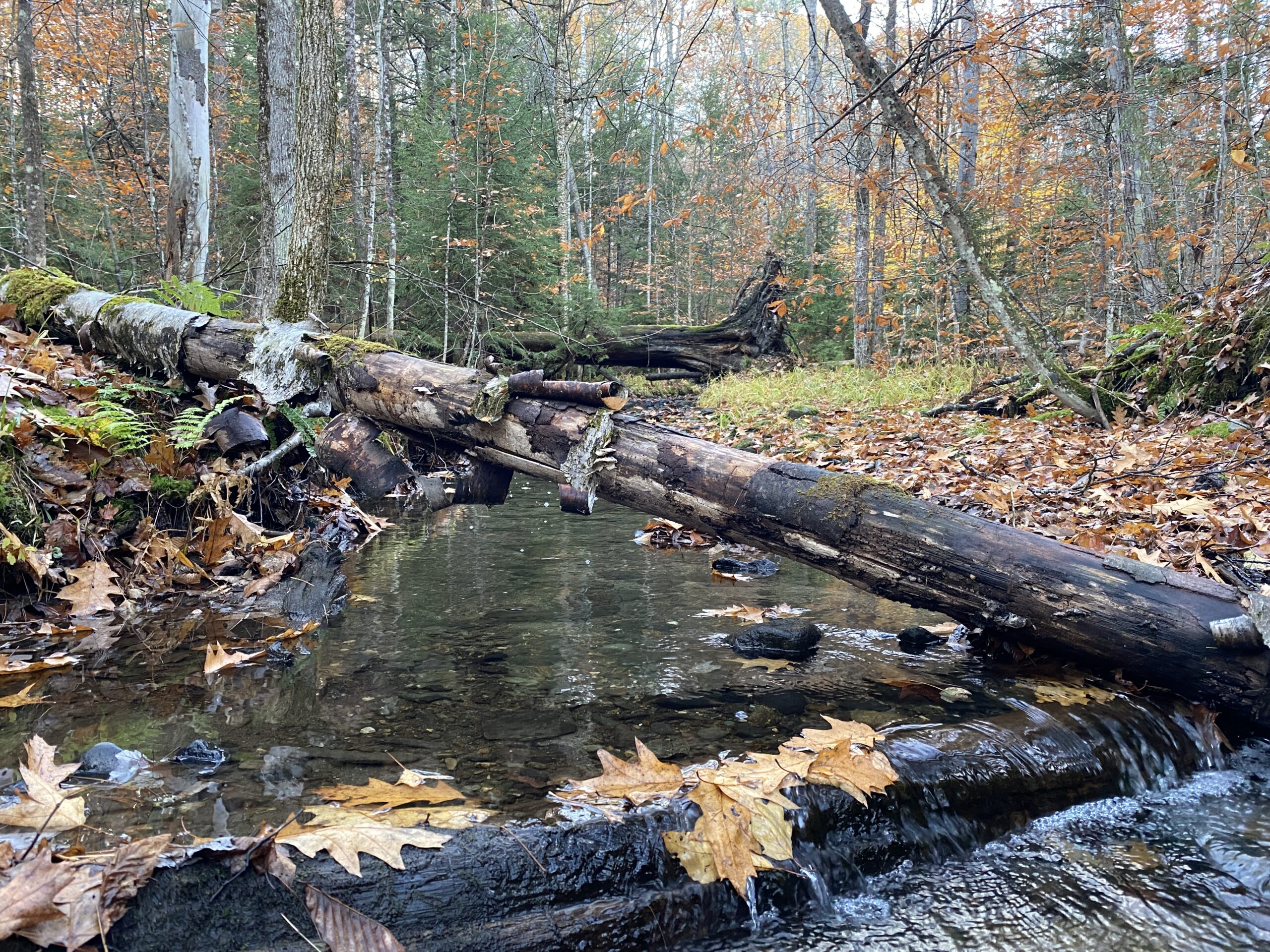 “This is an extraordinary expanse of mountainside,” observes Adair Mulligan, the Conservancy’s Executive Director. “It reflects all our strategic conservation priorities, and provides climate resilience and flood protection for Etna Village.” Black Bear Glen’s forest and streams support a rich array of wildlife, including moose, black bear, bobcat, fisher, ruffed grouse, raptors, and wild brook trout. The NH Fish and Game Department describes 60 of the property’s 92 acres as the highest quality habitat in New Hampshire. The property also includes over 1/3 mile of Mink Brook, Hanover’s largest stream. Conserving the brook and its headwaters benefits water quality, wild brook trout habitat, and more. “These far-sighted landowners have made a lasting gift to our community.”
“What a wonderful thing it is to place this land in the capable hands of the Hanover Conservancy,” commented owner Clyde Watson, “and to continue sharing its gifts with our neighbors, human and animal alike—secure in the knowledge that it will be cared for and protected for evermore.”
Black Bear Glen is accessible from the Appalachian Trail just east of Three Mile Road and is open for hiking, nature observation, snowshoeing, back-country skiing, scientific research, hunting, and other non-motorized use. The historic Harris Trail—original route of the AT—crosses the property for 4/10 mile. The General’s Trail forms a loop that swings by hemlock-
shaded glens. The Trout Lily Trail connects to the Shumway Forest, leading to Mill Pond.
Traces of Hanover’s agricultural past dot the property, including stone walls and sheep lanes dating from the early 19th century.
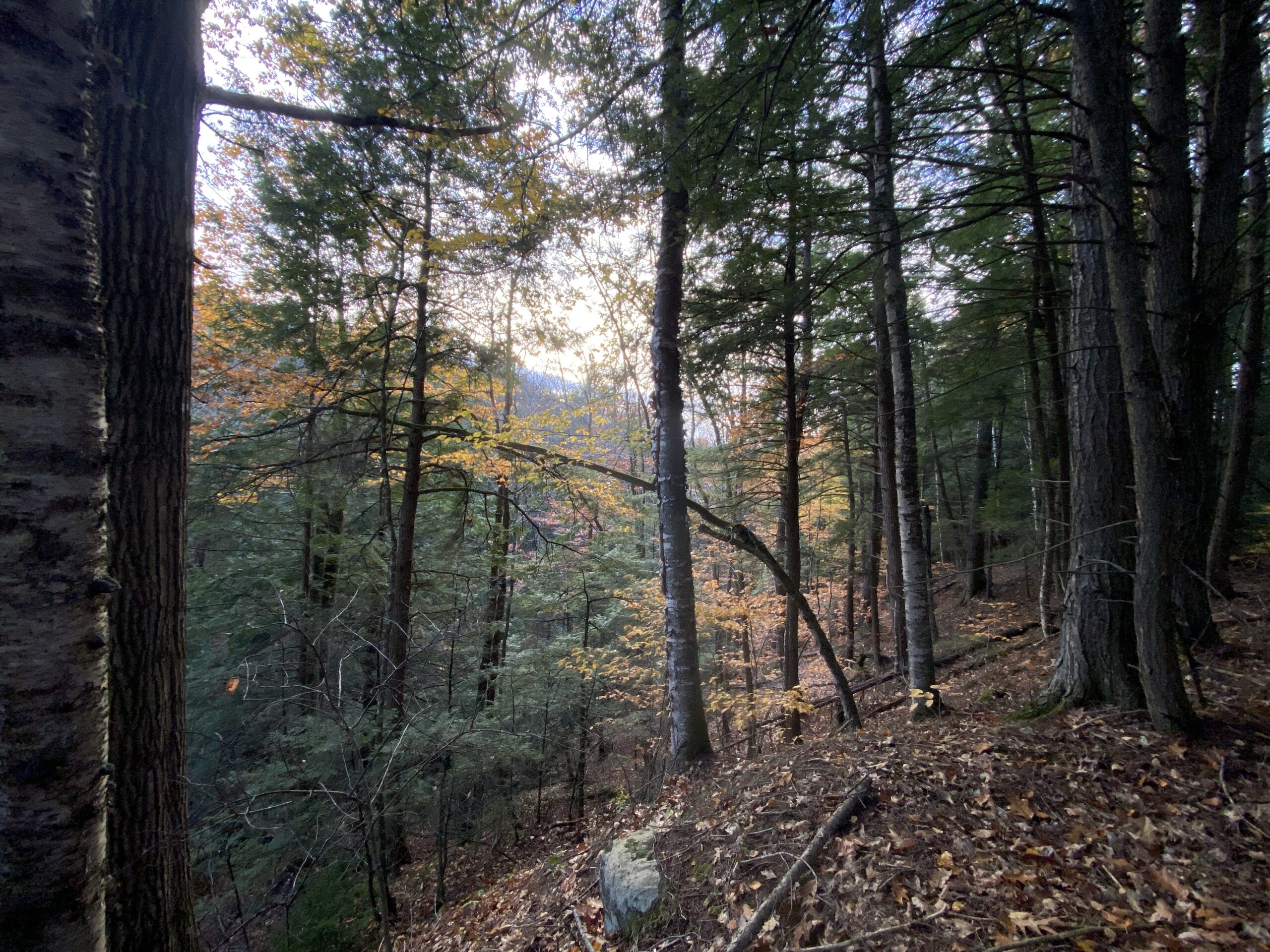 The long-term effort to protect ecologically valuable, climate resilient lands on Moose Mountain began in 2013 with the donation of the Mayor-Niles Forest, followed by easements on the Mill Pond Forest in 2015 and Shumway Forest in 2017, donation of the Britton Forest in 2018, and the Conservancy’s purchase of the Headwaters Forest in 2023 and Hewes Ravine in July. The Conservancy recently won a grant from the Appalachian Trail Landscape Partnership’s Wild East Action Fund to help with survey and other costs of receiving the gift of land.