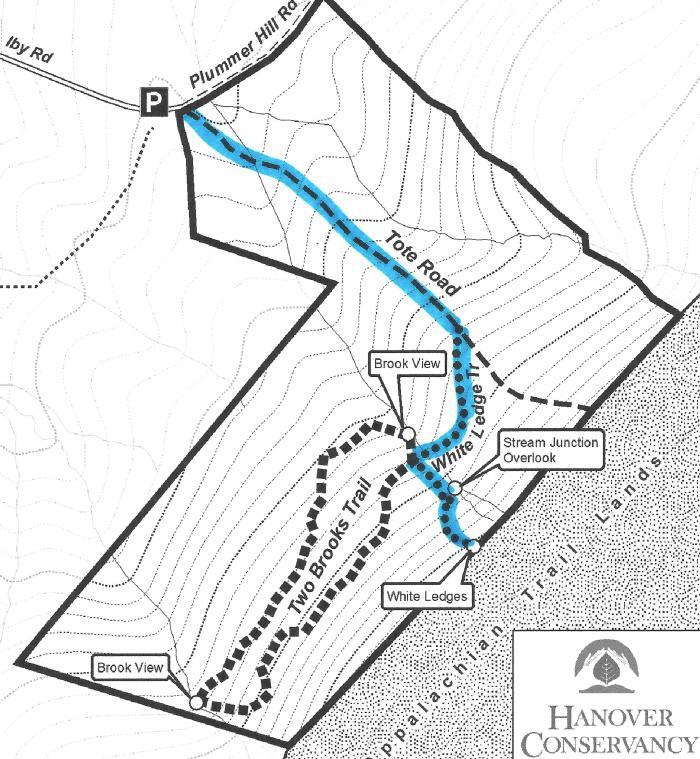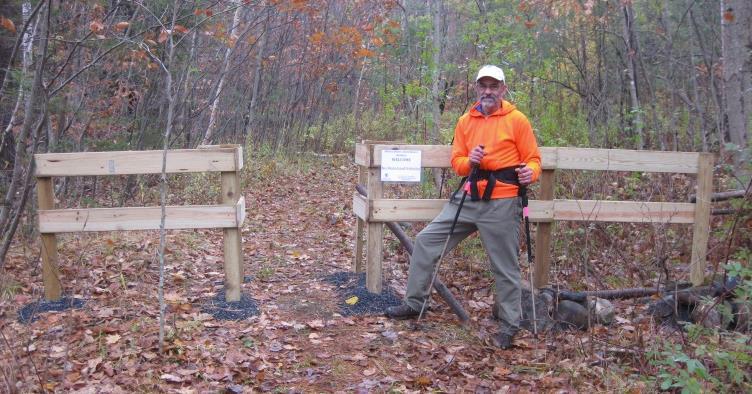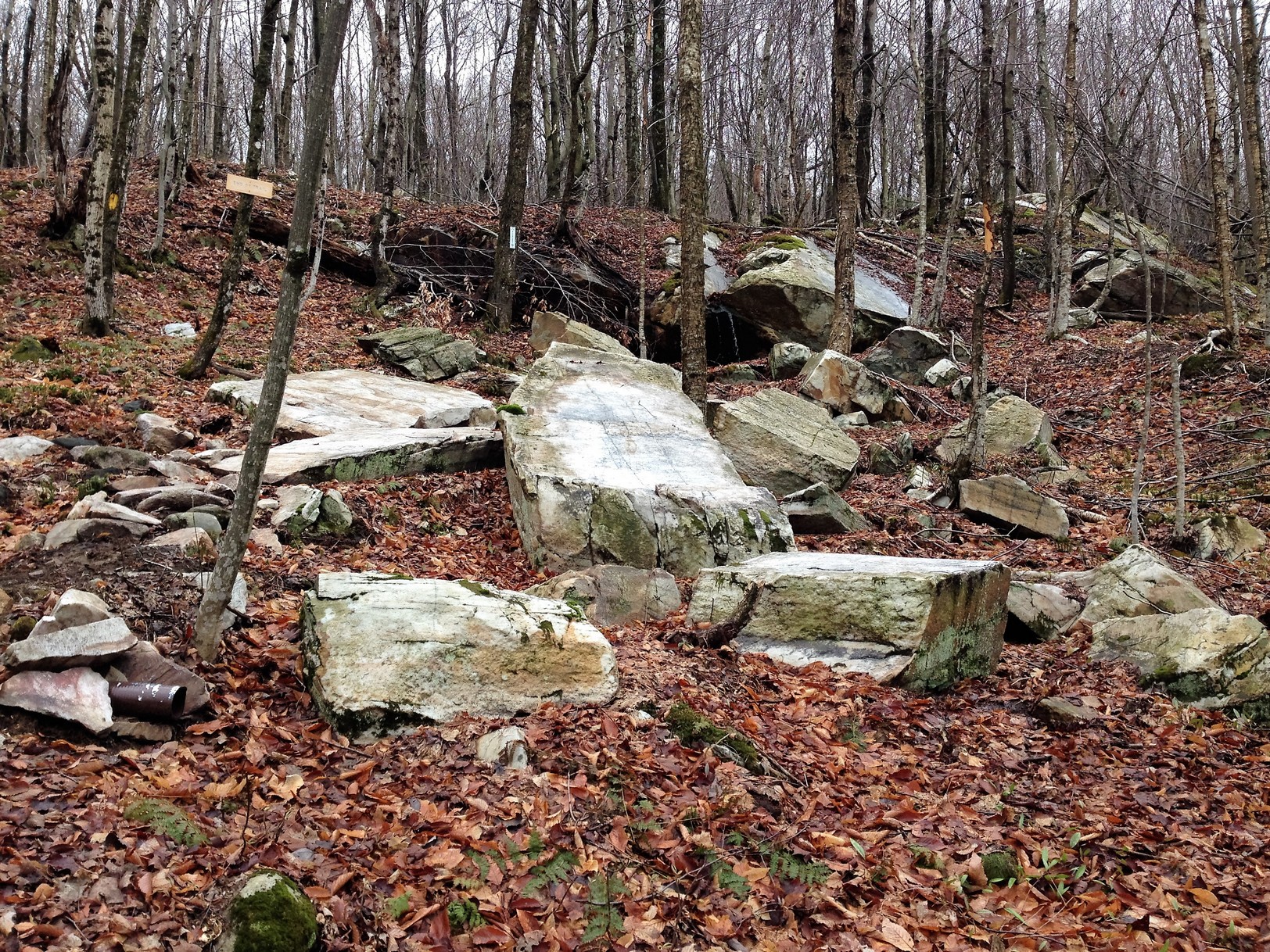
As of Dec. 15, the Trescott Water Supply Lands are open for public recreation. Please help keep this beautiful area open for all to enjoy, by observing simple rules that protect our community’s drinking water quality. MORE
When you shop at smile.amazon.com, we hope you’ll consider designating the Hanover Conservancy to receive a donation of 0.5% of your purchase – at no cost to you. ‘Tis the season!
2017 Winter Trips – our colorful trip card will arrive in current members’ mailboxes right after Christmas. Look for yours!

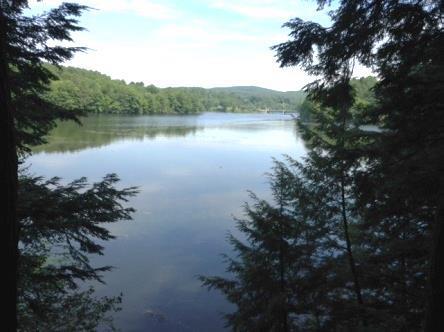
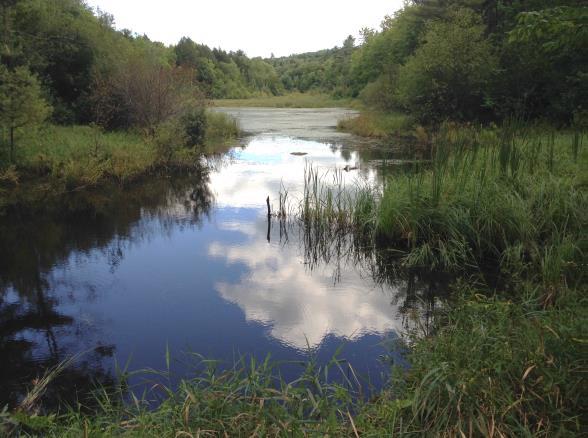
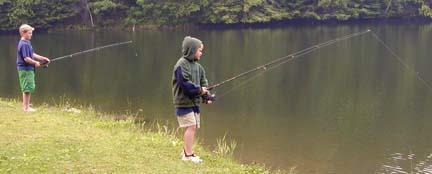 Storrs Pond is part of what must be Hanover’s hardest working watershed – Camp Brook. This brook begins on lands owned in the 1800s by the Camp family that are now held by the Trescott Company (50% Town of Hanover, 50% Dartmouth College). The Hanover Water Works bought those lands in 1893-1912 to create the public water supply. Camp Brook was dammed in 1893 to form the Fletcher Reservoir (where Grasse and Reservoir Roads meet) and again in 1924 to form the Parker Reservoir upstream. After filtering, much of its water ends up on downtown restaurant tables, in college dorms, and domestic faucets. What’s left continues downhill along upper Reservoir Road and into another artificial pond created by a third earthen dam. We know this one as Storrs Pond, and thanks to the Hanover Improvement Society, there’s a lot of fun to be had here!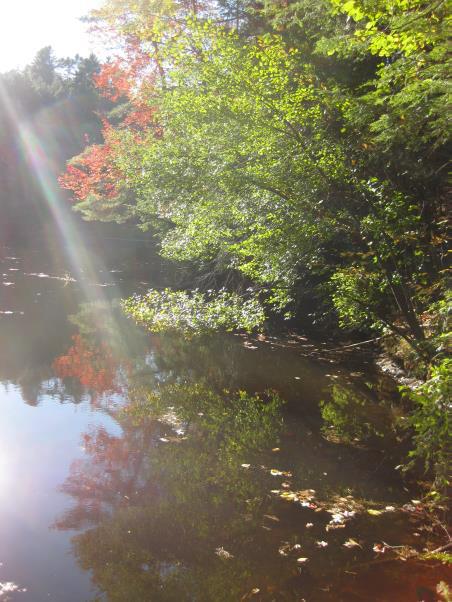
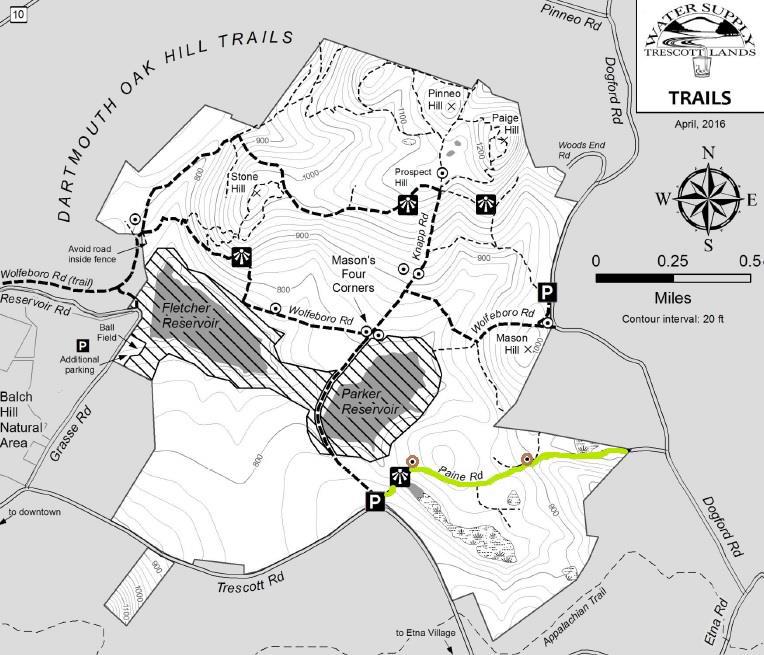
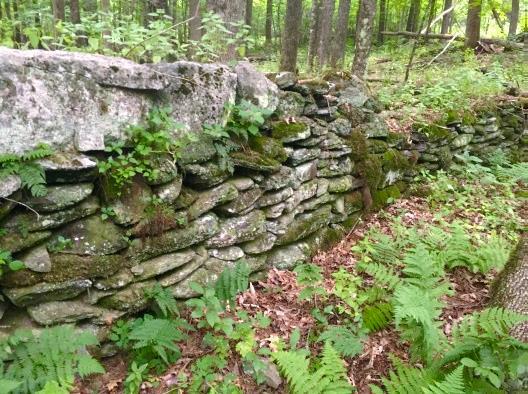
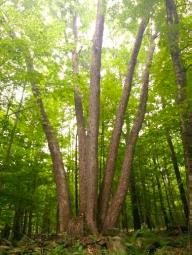 You begin to notice old sugar maples lining the road, and ahead on the L at the top of a rise is an impressive “fairy ring” of trees. Five large ash trees seem to spring from a single place. Look closely and you’ll see the cut stump of a sixth. All of these are sprouts from the stump of a single earlier ash. What’s the story? Did Mason cut the parent ash for firewood and leave his farm before he could come back for the sprouts once they grew to size?
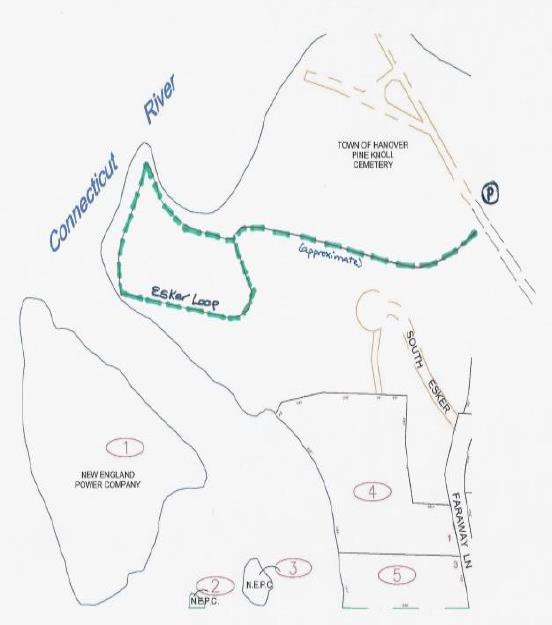 Driving Directions